Yellow-necked mouse
Apodemus flavicollis
Mammals · family Muridae · order Rodentia
Least concern on the IUCN Red List
About
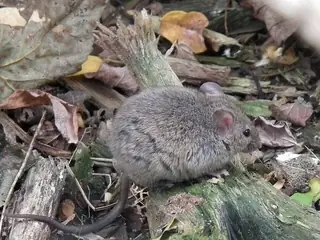
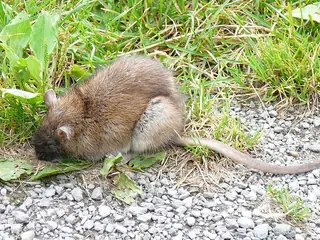
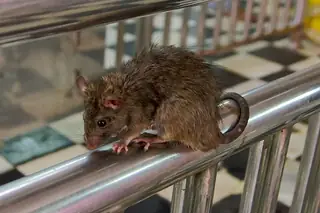
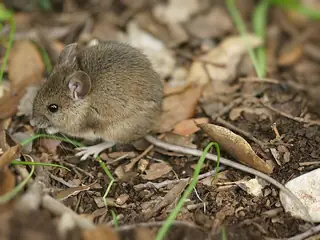
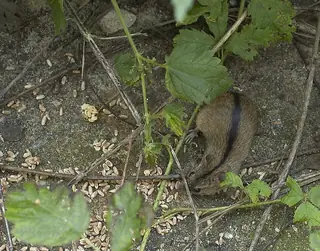
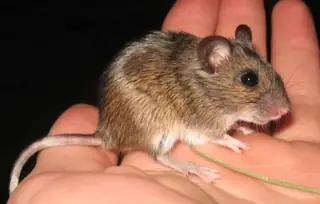
The yellow-necked mouse, also called yellow-necked field mouse or yellow-necked wood mouse, is closely related to the wood mouse, with which it was long confused. It was only recognised as a separate species in 1894. It differs in its band of yellow fur around the neck and in having slightly larger ears and usually being slightly larger overall. Around 100 mm in length, it can climb trees and sometimes overwinters in houses. It is found mostly in mountainous areas of southern Europe, but extends north into parts of Scandinavia and Britain. It facilitates the spread of tick-borne encephalitis to humans and is a reservoir species for the Dobrava virus, a hantavirus that is responsible for causing haemorrhagic fever with renal syndrome.
From Wikipedia, CC BY-SA 4.0.
Where it has been recorded




- Records
- 102,954
- Countries
- 39
- Recorded
- 1855–2026
Most records come from
- Denmark 28,587
- Switzerland 7,943
- United Kingdom 6,498
- France 5,308
- Germany 3,677
- Poland 2,847
- Sweden 2,051
- Bulgaria 1,971
- Russia 1,778
- Netherlands 1,752
- Finland 1,512
- Estonia 909
Records are places where people found and reported the animal, from GBIF; fossils and zoo animals are left out; museum specimens and tracking studies count, and well-studied countries have far more. Squares on the map: brighter means more records.