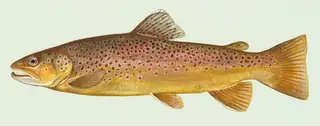
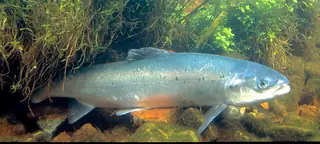
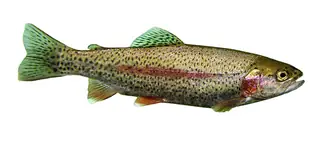
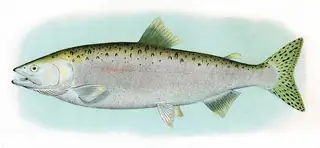
Sockeye salmon
Oncorhynchus nerka
Fish · family Salmonidae · order Salmoniformes
Least concern on the IUCN Red List
About
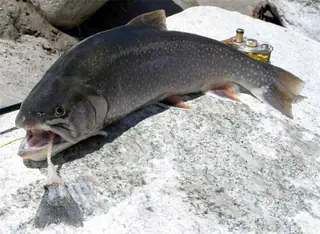
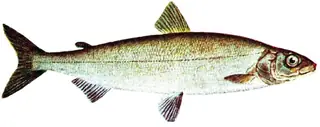
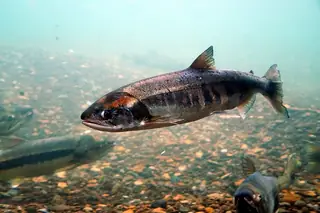
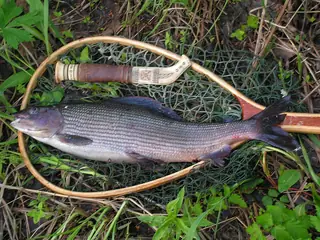
The sockeye salmon, also called red salmon, kokanee salmon, blueback salmon, or simply sockeye, is an anadromous species of salmon found in the Northern Pacific Ocean and rivers discharging into it. This species is a Pacific salmon that is primarily red in hue during spawning. They can grow up to 84 cm in length and weigh 2.3 to 7 kg (5–15 lb). Juveniles remain in freshwater until they are ready to migrate to the ocean, over distances of up to 1,600 km (1,000 mi). Their diet consists primarily of zooplankton. Sockeye salmon are semelparous, dying after they spawn. Some populations, referred to as kokanee, do not migrate to the ocean and live their entire lives in fresh water.
From Wikipedia, CC BY-SA 4.0.
Where it has been recorded




- Records
- 184,068
- Countries
- 6
- Recorded
- 1860–2026
Most records come from
- Canada 175,098
- United States 3,778
- Russia 91
- New Zealand 33
- Sweden 9
- Japan 8
Records are places where people found and reported the animal, from GBIF; fossils and zoo animals are left out; museum specimens and tracking studies count, and well-studied countries have far more. Squares on the map: brighter means more records.