Olive baboon
Papio anubis
Mammals · family Cercopithecidae · order Primates
Least concern on the IUCN Red List
About
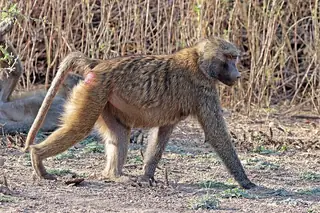
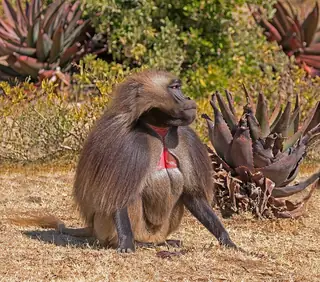
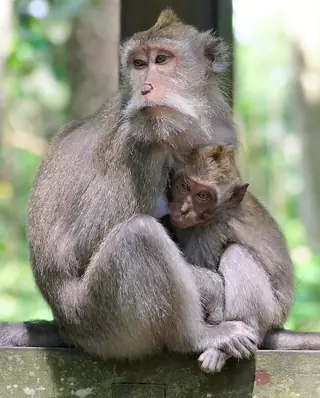
The olive baboon, also called the Anubis baboon, is a member of the family Cercopithecidae Old World monkeys. The species is the most wide-ranging of all baboons, being native to 25 countries throughout Africa, extending from Mali eastward to Ethiopia and Tanzania. Isolated populations are also present in some mountainous regions of the Sahara. It inhabits savannahs, steppes, and forests. The common name is derived from its coat colour, which is a shade of green-grey at a distance. A variety of communications, vocal and non-vocal, facilitate a complex social structure.
From Wikipedia, CC BY-SA 4.0.
Where it has been recorded




- Records
- 8,637
- Countries
- 22
- Recorded
- 1899–2026
Most records come from
- Kenya 2,156
- Benin 1,891
- Tanzania 1,840
- Uganda 1,198
- Ghana 352
- Ethiopia 330
- Rwanda 175
- Central African Republic 127
- Niger 93
- Burkina Faso 59
- Congo - Kinshasa 53
- Nigeria 44
Records are places where people found and reported the animal, from GBIF; fossils and zoo animals are left out; museum specimens and tracking studies count, and well-studied countries have far more. Squares on the map: brighter means more records.