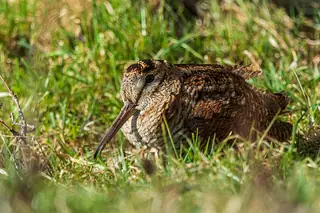
Long-billed Dowitcher
Limnodromus scolopaceus
Birds · family Scolopacidae · order Charadriiformes
Near threatened on the IUCN Red List
About
The long-billed dowitcher is a medium-sized shorebird with a relatively long bill belonging to the sandpiper family, Scolopacidae. In breeding plumage, adults are characterized by a rufous head and underparts with a darker mottled back and a large white upper rump only seen in flight. They feed in various freshwater habitats with their bill underwater in a "sewing machine" motion and have a mating display where males chase females in flight. The genus, Limnodromus is Ancient Greek from limne, "marsh" and dromos, "racer". The specific scolopaceus is Neo-Latin for "snipe-like", from Latin scolopax, scolopacis, a snipe or woodcock. The English name is from Iroquois and was first recorded in 1841.
From Wikipedia, CC BY-SA 4.0.
Where it has been recorded




- Records
- 754,972
- Countries
- 83
- Recorded
- 1860–2026
Most records come from
- United States 652,309
- Canada 63,485
- Mexico 13,632
- Netherlands 5,398
- United Kingdom 3,355
- Sweden 3,348
- Taiwan 1,732
- Denmark 1,096
- Belize 717
- Japan 652
- Spain 637
- U.S. Outlying Islands 507
Records are places where people found and reported the animal, from GBIF; fossils and zoo animals are left out; museum specimens and tracking studies count, and well-studied countries have far more. Squares on the map: brighter means more records.