

Giant anteater
Myrmecophaga tridactyla
Mammals · family Myrmecophagidae · order Pilosa
Vulnerable on the IUCN Red List
About
The giant anteater is a large insectivorous mammal native to Central and South America. It is the largest of the four living species of anteaters, which are classified with sloths in the order Pilosa. The only extant member of the genus Myrmecophaga, the giant anteater is mostly terrestrial, in contrast to other living anteaters and sloths, which are arboreal or semiarboreal. It is recognizable by its elongated snout, bushy tail, long foreclaws, and distinctively colored fur.
From Wikipedia, CC BY-SA 4.0.
Where it has been recorded




- Records
- 10,992
- Countries
- 14
- Recorded
- 1857–2026
Most records come from
- Colombia 7,199
- Brazil 2,906
- Argentina 191
- Ecuador 97
- Paraguay 71
- French Guiana 68
- Guyana 62
- Peru 50
- Bolivia 40
- Venezuela 29
- Suriname 10
- Germany 1
Records are places where people found and reported the animal, from GBIF; fossils and zoo animals are left out; museum specimens and tracking studies count, and well-studied countries have far more. Squares on the map: brighter means more records.
Related animals
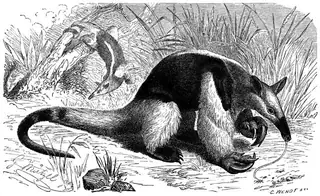 Southern tamanduaTamandua tetradactyla
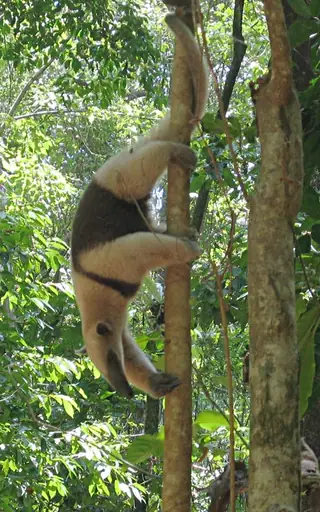 Northern tamanduaTamandua mexicana
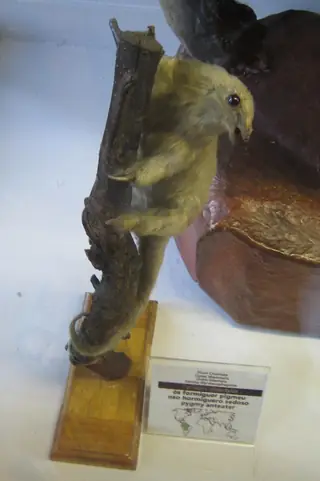 Silky anteaterCyclopes didactylus
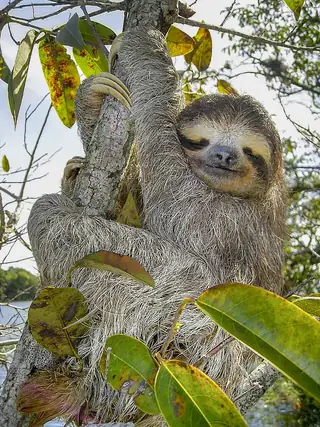 Brown-throated three-toed slothBradypus variegatus
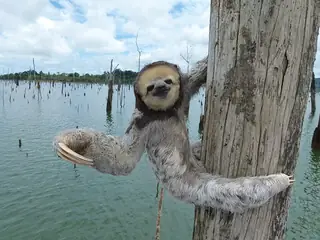 Pale-throated Three-toed SlothBradypus tridactylus
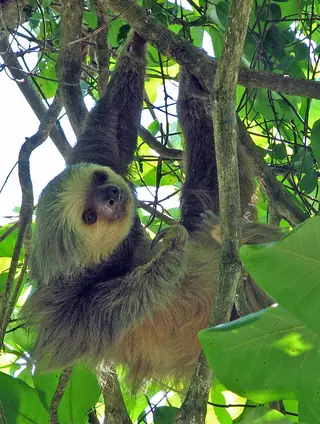 Hoffmann's Two-toed SlothCholoepus hoffmanni
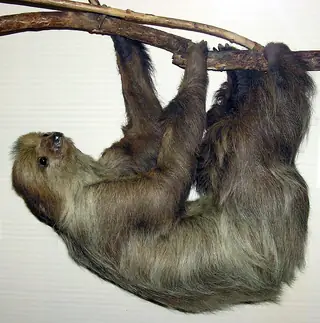 Linnaeus's Two-toed SlothCholoepus didactylus
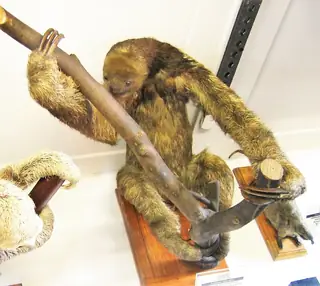 Maned slothBradypus torquatus