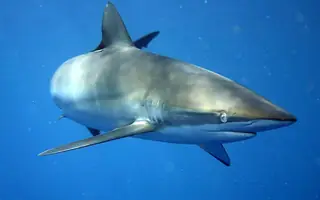
Blue shark
Prionace glauca
Sharks and rays · family Carcharhinidae · order Carcharhiniformes
Near threatened on the IUCN Red List
About
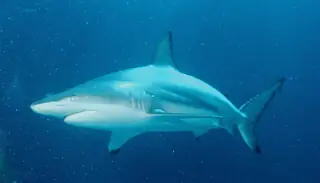
The blue shark, also known as the great blue shark, is a species of requiem shark in the family Carcharhinidae which inhabits deep waters in the world's temperate and tropical oceans. It is the only living species of genus Prionace. An extinct species, P. clarki, is known from teeth from California of the Late Pliocene. Averaging around 3.1 m (10 ft) and preferring cooler waters, the blue shark migrates long distances, such as from New England to South America. It is listed as Near Threatened by the IUCN.
From Wikipedia, CC BY-SA 4.0.
Where it has been recorded




- Records
- 152,006
- Countries
- 80
- Recorded
- 1845–2026
Most records come from
- United States 73,414
- Chile 48,586
- Canada 19,561
- France 3,124
- Australia 1,480
- New Zealand 1,213
- United Kingdom 510
- Spain 370
- Greenland 238
- Portugal 214
- Ireland 140
- Faroe Islands 123
Records are places where people found and reported the animal, from GBIF; fossils and zoo animals are left out; museum specimens and tracking studies count, and well-studied countries have far more. Squares on the map: brighter means more records.