Asian elephant
Elephas maximus
Mammals · family Elephantidae · order Proboscidea
Endangered on the IUCN Red List
Oʻzbekcha: Osiyo fili
About
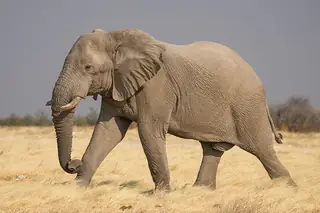
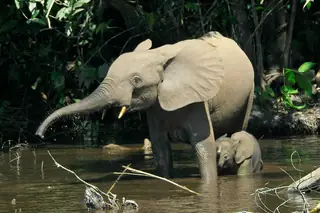
The Asian elephant, also known as the Asiatic elephant, is the only living species in the genus Elephas. It is the largest living land animal in Asia and the second largest living elephantid in the world. It is characterised by its long trunk with a single finger-like process; large tusks in males; laterally folded large ears and wrinkled grey skin that is partly depigmented on the trunk, ears or neck. Adult males average 4 t in weight and females 2.7 t. It has a large and well developed neocortex of the brain, is highly intelligent and self-aware, being able to display behaviours associated with grief, learning and greeting. Three subspecies are recognised—E. m. maximus, E. m. indicus and E. m. sumatranus.
From Wikipedia, CC BY-SA 4.0.
Where it has been recorded




- Records
- 12,091
- Countries
- 16
- Recorded
- 1783–2026
Most records come from
- India 3,294
- Sri Lanka 1,990
- Thailand 815
- Malaysia 760
- Cambodia 266
- Nepal 129
- China 73
- Indonesia 44
- Vietnam 9
- Bangladesh 4
- Bhutan 4
- United States 4
Records are places where people found and reported the animal, from GBIF; fossils and zoo animals are left out; museum specimens and tracking studies count, and well-studied countries have far more. Squares on the map: brighter means more records.