American mink
Mustela vison
Mammals · family Mustelidae · order Carnivora
Least concern on the IUCN Red List
About
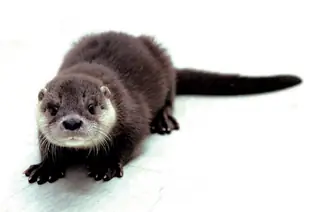
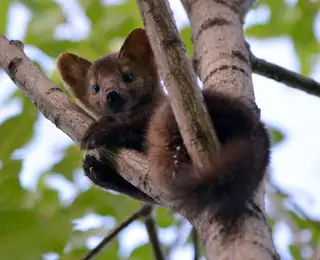
The American mink is a semiaquatic species of mustelid native to North America, though human introduction has expanded its range to many parts of Europe, Asia, and South America. Because of range expansion, the American mink is classed as a least-concern species by the IUCN. The American mink was formerly thought to be the only extant member of the genus Neovison following the extinction of the sea mink (N. macrodon), but recent studies, followed by taxonomic authorities, have reclassified it and the sea mink within the genus Neogale, which also contains a few New World weasel species. The American mink is a carnivore that feeds on rodents, fish, crustaceans, frogs, and birds. In its introduced range in Europe it has been classified as an invasive species linked to declines in European mink, Pyrenean desman, and water vole populations. It is the animal most frequently farmed for its fur, exceeding the silver fox, sable, marten, and skunk in economic importance.
From Wikipedia, CC BY-SA 4.0.
Where it has been recorded




- Records
- 67,411
- Countries
- 31
- Recorded
- 1858–2026
Most records come from
- United Kingdom 17,021
- Sweden 14,851
- Spain 9,441
- Norway 8,232
- France 3,020
- Denmark 2,878
- Poland 1,609
- Ireland 1,557
- Chile 1,176
- Germany 398
- Estonia 356
- Netherlands 233
Records are places where people found and reported the animal, from GBIF; fossils and zoo animals are left out; museum specimens and tracking studies count, and well-studied countries have far more. Squares on the map: brighter means more records.